

In the field
Intelligence grounded in the field.
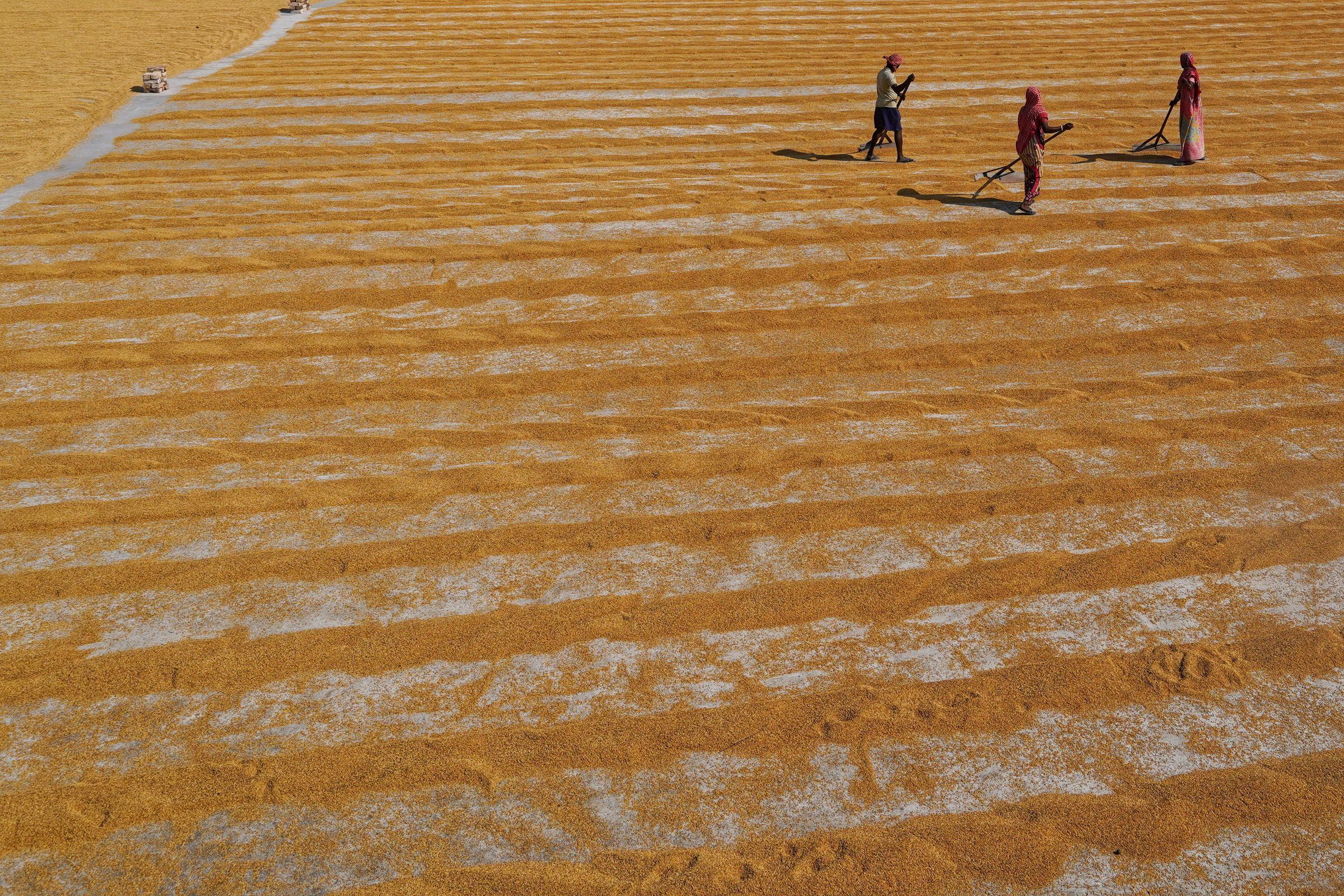
Farm Intelligence only matters if it works in real agriculture. Wingsure's work spans different crops, agricultural systems and decision environments — from coffee sustainability and renovation to climate-smart rice and agricultural risk.
Featured story — Coffee
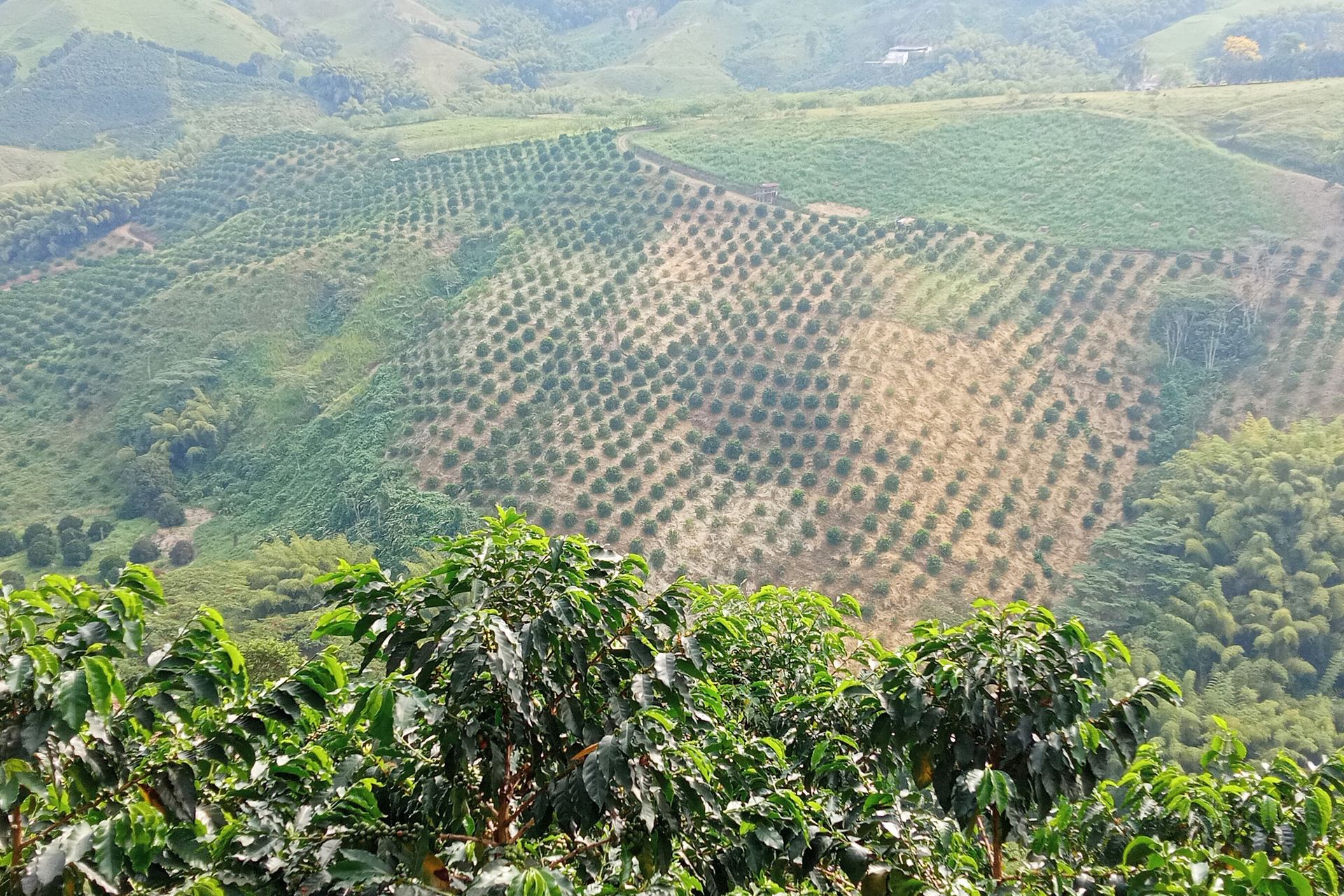
Building a stronger farm-intelligence foundation for coffee.
- The challenge
- Coffee companies and agricultural programmes need increasingly credible information about what is happening at farm level — from sustainability practices and renovation to production and sourcing. Yet evidence is often collected separately for different programmes and decisions.
- Wingsure's role
- Wingsure is applying its farm-intelligence approach to coffee, with current work centred on areas including sustainability MRV and renovation verification. The objective is to create credible farm-level evidence that can become useful beyond a single report or assessment.
- What this makes possible
- A stronger farm record can help organisations build a clearer understanding of agricultural practices and farm activity while creating the foundation for broader production, sourcing, sustainability and risk intelligence.
- Stage
- Active programmes / evolving platform proposition
Featured story — Paddy & climate-smart agriculture
Better evidence for practice-based agricultural programmes.
- The challenge
- Climate-smart agricultural programmes depend on knowing whether intended practices are actually happening in the field, across many farms and over time.
- Wingsure's role
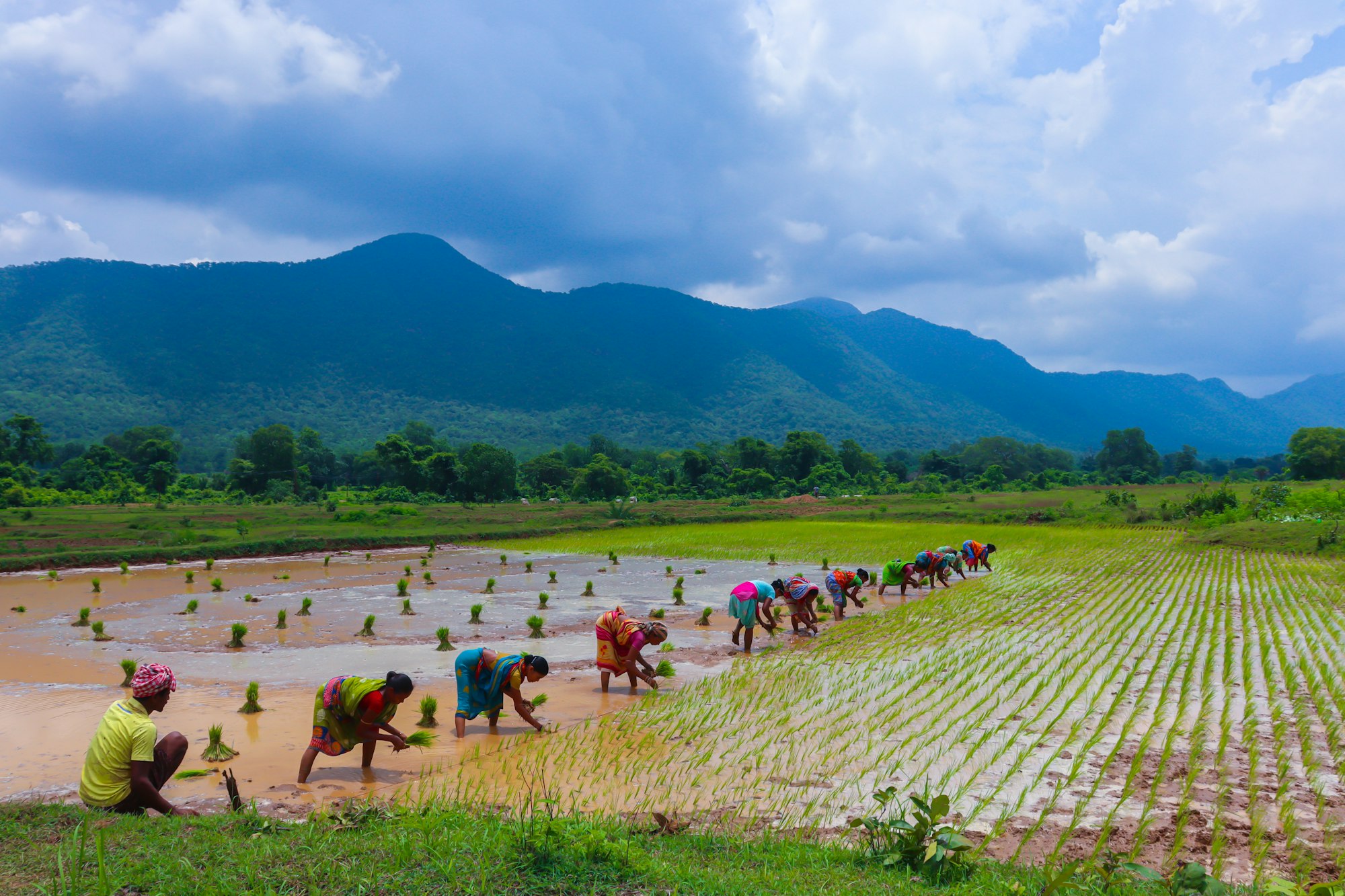
- Wingsure supports field evidence and monitoring around farm activity and practice adoption, including paddy programmes using approaches such as Alternate Wetting and Drying. The platform can support farmer and field-team participation while giving programme managers a clearer view of implementation across participating farms.
- What this makes possible
- Better visibility into practice adoption can strengthen programme monitoring, verification and reporting — without treating evidence of an activity as automatic proof of a wider environmental or carbon outcome.
- Stage
- Pilot / programme deployment
Featured story — Agricultural risk
Bringing the farm closer to the risk decision.
- The challenge
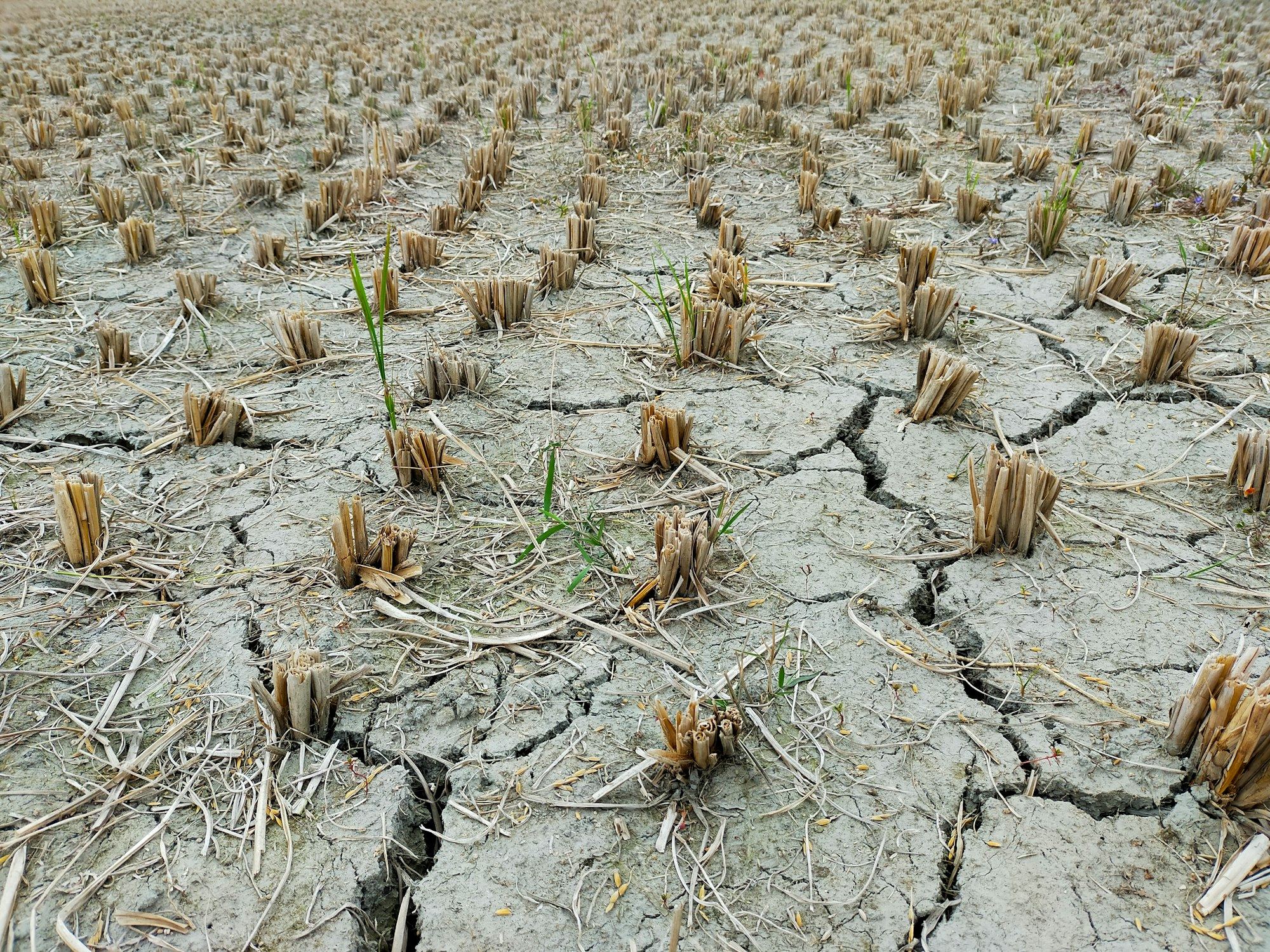
- Agricultural risk decisions are often made using information that is distant from what is actually happening on individual farms.
- Wingsure's role
- Wingsure applies farm, geospatial and field intelligence to create better context around agricultural exposure and events.
- What this makes possible
- More relevant evidence can support risk assessment, insurance-product design, field-assessment prioritisation and claims-related processes.
- Stage
- Prior agricultural insurance experience + current risk applications
Breadth
Across crops. Across agricultural questions.
Wingsure is being developed as a common intelligence foundation rather than a crop-specific application.
-
Coffee
Farm practices · Sustainability · Renovation · Production intelligence
-
Paddy
Water management · Practice monitoring · Climate programmes
-
Agricultural risk
Insurance · Exposure · Evidence · Claims support
-
Broader agriculture
Farm monitoring · Programme delivery · Financial services · Supply intelligence
Close